
Strengthening your front door starts here. DTM Locksmith fits deadbolts throughout Clayton using secure, precise techniques that reinforce your entry point without damaging surrounding hardware or the door frame itself.
Strength and precision guide every fitting we do. Our verified technicians follow safe practices, treat your door with genuine care, and ensure your deadbolt operates securely and reliably, every single time.
Stronger security shouldn’t be delayed, so our technicians arrive quickly and begin fitting without any hesitation.
Strength matters most in deadbolts, so technicians fit every unit precisely for dependable, lasting protection consistently.
Before starting, every technician confirms their identification, giving you confidence while reinforcing your home’s entry point.

Adding a deadbolt significantly reinforces a door’s resistance against forced entry attempts overall. It’s a popular upgrade chosen by homeowners wanting stronger baseline security measures. Our technicians install deadbolts precisely fitted to your existing door structure. This is especially common among homeowners reassessing their property’s overall protection levels. Professional fitting ensures dependable, long-lasting resistance against any potential intrusion attempts.

Some insurance policies require deadbolts as a condition for adequate home coverage approval. It’s often discovered when homeowners review or renew their existing policy details. Our technicians install compliant deadbolts that satisfy standard insurance requirement expectations properly. This is particularly common among homeowners updating coverage or switching between providers. Efficient installation ensures your property meets all necessary security standards required.
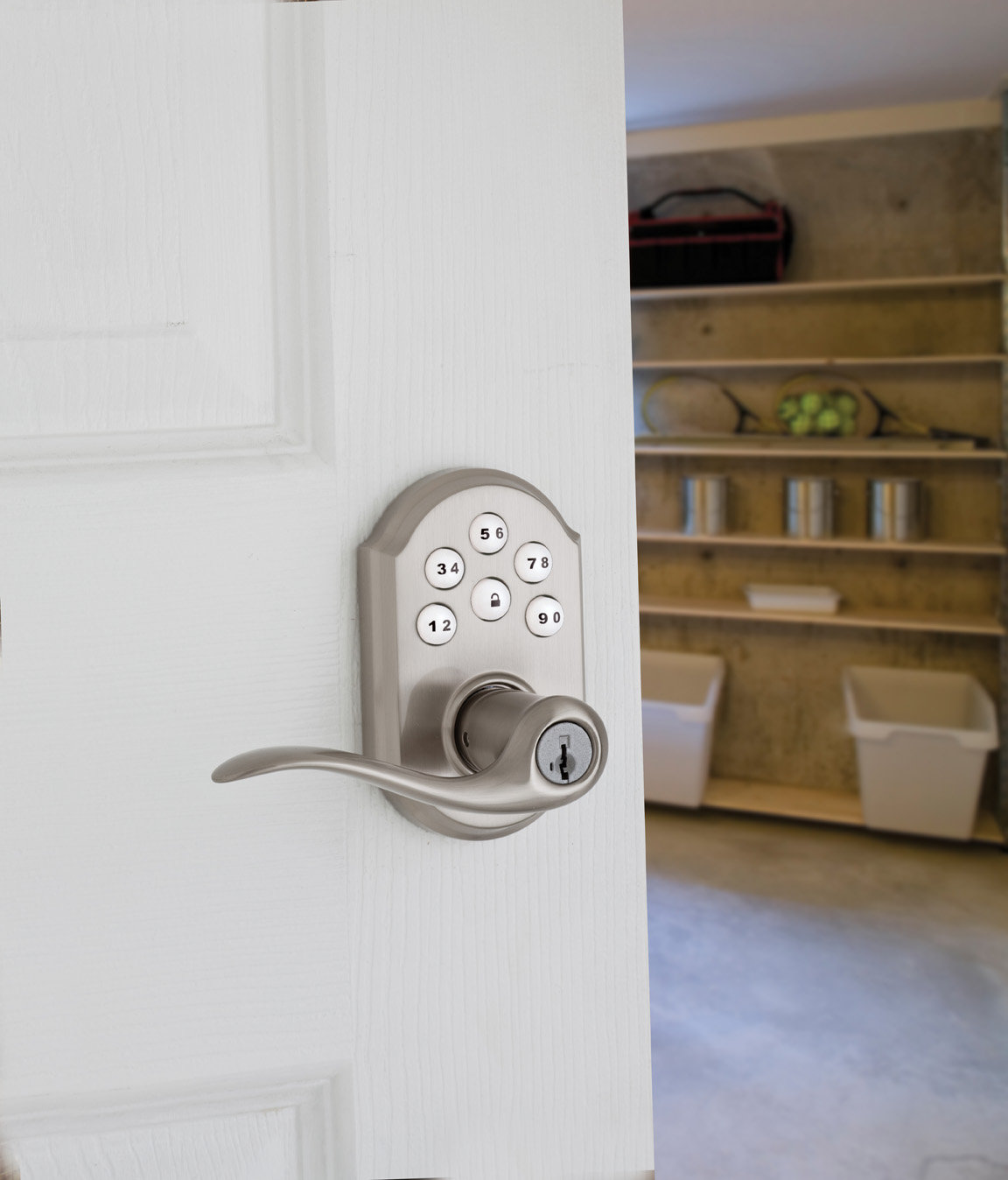
Installing a new door frame often means fitting a matching deadbolt alongside it. It typically follows storm damage, general wear, or a broader renovation project underway. Our technicians fit deadbolts precisely aligned to the newly installed frame structure. This is particularly common when doors are replaced due to structural damage occurring. Careful fitting ensures smooth operation and dependable long-term security overall.
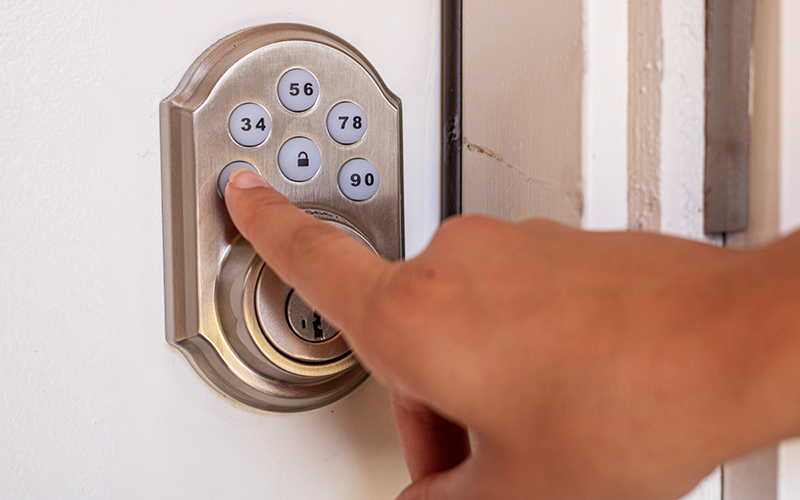
Rear entry points are often overlooked despite being common targets for forced entry attempts. It’s frequently addressed once homeowners reassess their property’s overall security setup properly. Our technicians fit robust deadbolts suited specifically to secondary entry points around. This is particularly common among homeowners strengthening less-visible access areas around their property. Thorough fitting ensures every entrance receives equal, dependable protection consistently.
Clayton’s residential security environment presents challenges that many suburban property owners never have to confront. A suburb with one of Melbourne’s most active rental markets, a large transient student population, a dense residential landscape where properties sit in close proximity to each other and to busy commercial streets, and a housing stock that spans more than a century of construction — all of these factors combine to create a security environment where the quality of your entry point locks genuinely matters more than it might in a quieter, more homogeneous suburban setting. And at the centre of every well-secured entry point in Clayton — on every front door, every rear entry, every access point that separates your home or business from the outside world — is a deadbolt.
A deadbolt is not just another lock. It is the mechanical security component that determines whether your door can be forced open by a kick, a shoulder, or a pry bar — or whether it holds. It is the hardware that makes the difference between a door that looks secure and a door that is secure. At DTM Locksmith, we provide a professional deadbolt installation service across Clayton and the surrounding south-eastern Melbourne suburbs — supplying quality, Australian-standards-compliant deadbolt hardware and installing it with the precision, the correct strike plate fixing, and the thorough verification that determines whether a deadbolt actually performs under pressure when it matters most.
Before exploring the specifics of deadbolt installation, understanding what makes a deadbolt fundamentally different from other lock types — and why that difference matters particularly in Clayton’s security environment — provides essential context:
A deadbolt extends a solid metal bolt — typically 25mm or more in length — directly into the door frame strike pocket when locked. This bolt cannot be retracted without correctly operating the cylinder — it has no spring return mechanism, no automatic retraction feature, and no vulnerability to the shimming and credit-card attacks that defeat spring latch locks with ease. The bolt is mechanically locked in the extended position until the cylinder is deliberately operated with the correct key or credential — making it immune to the manipulation techniques that defeat every other common residential lock type.
The most common method of forced residential entry in Melbourne’s south-eastern suburbs is the kick-in — a technique that transfers enormous force to the door at the lock position, overloading the latch or bolt and the strike plate that receives it. A spring latch lock provides minimal resistance to this technique — its short bolt throw and weak strike plate engagement mean it typically fails on the first or second kick. A quality deadbolt installed with a reinforced strike plate and long structural fixing screws distributes this force across a much larger area of the door frame, dramatically increasing the number of kicks required to defeat the entry point and in many cases making kick-in entry practically impossible without tools that attract immediate attention.
Spring latch locks retract automatically when the door handle is operated from either side — a convenience feature that also creates vulnerability to handle manipulation attacks. A deadbolt has no automatic retraction — it remains fully extended until deliberately operated with the correct key. This means a deadbolt can only be defeated by correctly operating the cylinder, by attacking the cylinder directly, or by attacking the door and frame around the bolt — all of which require either more skill, more time, or more noise than most opportunistic residential intruders are willing to invest.
Recognising when a Clayton property’s entry point security falls below an acceptable standard is the first step toward addressing it:
Our deadbolt installation service covers the complete range of deadbolt types suited to Clayton’s diverse residential and commercial property landscape:
The most widely installed deadbolt type on Australian residential properties, single cylinder deadbolts are operated by a key on the exterior and a thumb turn on the interior — providing quick, convenient interior operation without a key while maintaining full keyed security from outside. We install single cylinder deadbolts across Clayton’s full range of door types and thicknesses — from solid timber doors on original properties through to aluminium-framed entries on contemporary developments.
Double cylinder deadbolts require a key to operate from both the exterior and the interior — eliminating the interior thumb turn that a burglar could potentially reach through adjacent glazing and operate. They’re the appropriate choice for Clayton’s many terrace-style and period properties whose front doors feature decorative glass panels or sidelights within reach of an interior thumb turn. We always discuss the emergency egress implications of double cylinder deadbolts before installation — they require a key to exit in an emergency, which is an important safety consideration that property owners must understand before proceeding.
Standard-grade deadbolts meet the minimum Australian security standards but offer limited resistance to picking, bumping, and cylinder manipulation techniques that experienced residential intruders use with some regularity in Melbourne’s south-eastern suburbs. High-security deadbolts incorporate anti-pick pin configurations, anti-bump features, hardened steel anti-drill inserts, and in some cases restricted keyways that prevent key duplication without authorisation. For Clayton properties whose location, occupancy profile, or asset value warrants a higher security specification, we recommend and install high-security deadbolt products that meaningfully exceed standard specification.
Mortise deadbolts are housed within the door body itself rather than surface-mounted — providing inherent structural strength that rim-mounted deadbolts cannot match. Common in Clayton’s original and period residential properties and in the suburb’s older commercial buildings, mortise deadbolts require precise installation within the door’s mortise pocket. We carry out mortise deadbolt replacements and new installations with the accurate measurement, precise chiselling, and careful fitting that this installation type demands.
Combining the full mechanical security of a deadbolt bolt throw with electronic access control, electronic deadbolts provide a keyless upgrade path for Clayton homeowners and businesses seeking both better physical security and modern access management capability. We install electronic deadbolts with PIN pad, fingerprint, Bluetooth, and Wi-Fi access options across all common door types encountered in Clayton — providing a comprehensive keyless security solution in a single installation.
For Clayton properties currently fitted with separate deadbolt and latch hardware that has reached the end of its service life simultaneously, integrated deadbolt and latch combination sets provide a coordinated replacement solution — cleaner aesthetically and in some cases more secure than two separately mounted hardware items with a gap between them. We assess suitability and recommend combination sets where they genuinely improve on the existing arrangement.
Our technician begins by examining the entry point comprehensively — the door construction, the existing hardware, the frame condition, the hinge integrity, and the current strike plate fixing. This assessment identifies what we’re upgrading from, what preparation work the installation requires, and what installation decisions — position, hardware selection, fixing method — will produce the best security outcome for this specific door.
Based on the assessment and a conversation about your security requirements and budget, we recommend the most appropriate deadbolt for your specific Clayton property and door type. We carry a range of quality deadbolts across security grades and price points — and our recommendation reflects what genuinely suits your door and security situation rather than what generates the largest invoice.
Where an existing deadbolt is being replaced, we remove it carefully and assess the door preparation revealed by the removal — checking for timber damage around the bore hole, assessing the face plate recess condition, and evaluating the strike plate pocket for any reinforcement or repositioning work required before the replacement installation proceeds.
Every drill point, bore position, and face plate location is measured and marked with precision before any tool contacts the door. For Clayton’s original timber doors where incorrect boring can split or permanently damage irreplaceable period timber, this measurement precision is particularly critical.
We carry out all necessary door preparation — boring the cylinder and bolt holes, chiselling face plate recesses, and preparing the strike pocket — neatly and with appropriate care for the door material. Clayton’s aged timber doors receive particularly careful preparation work that respects the door’s structural integrity and appearance.
The deadbolt body, cylinder, exterior trim, and interior thumb turn or electronic components are installed with precise alignment — ensuring the bolt throw axis is perfectly perpendicular to the door edge, the face plate sits flush in its recess, and every fixing is tightened to appropriate torque without stressing the lock body or the door material around the installation.
The strike plate installation receives the same careful attention as the deadbolt body — and in many Clayton properties, particularly the suburb’s rental stock with its history of rushed maintenance, the strike plate is where the greatest security improvement is made. We install every strike plate with fixing screws long enough to penetrate through the door casing and anchor into the structural frame stud behind it — typically 75mm or longer.
In Clayton’s original timber-framed properties, we assess the structural frame position before selecting fixing screw length — ensuring genuine structural anchoring rather than a superficial fixing that provides the appearance of security without the substance.
With the deadbolt fully installed, we verify the bolt throw alignment with the strike plate pocket — testing that the bolt extends fully and cleanly into the pocket without binding, dragging, or requiring force to engage. Where adjustment is required, we address it before finalising the installation rather than leaving a stiff or misaligned bolt as an accepted installation outcome.
We test the installed deadbolt through a minimum of five complete lock and unlock cycles from both sides of the door — confirming smooth key operation, full bolt throw, clean bolt retraction, and correct thumb turn or electronic function operation before considering the installation finished.
Clayton’s original post-war residential stock features solid timber door frames that have experienced decades of seasonal movement in Melbourne’s south-eastern climate — swelling in summer humidity and contracting in drier winter periods. This movement creates strike plate alignment challenges that our technicians account for during installation, positioning new strike plates to accommodate the door’s current hang position and frame geometry rather than where the original installation assumed it would be.
Clayton’s rental properties present deadbolt installation considerations around hardware durability, key control management, and the landlord’s obligation to maintain reasonable entry point security standards. We advise Clayton landlords and property managers on the most appropriate deadbolt hardware for rental applications — prioritising durability under high-use tenancy conditions and cylinder quality that supports controlled key management.
Clayton’s student accommodation and rooming house properties present specific deadbolt installation considerations around multiple occupant key management and the higher daily use intensity that accelerates hardware wear beyond standard residential rates. Electronic deadbolts that eliminate physical key proliferation are particularly worth considering for these high-occupancy applications.
Our deadbolt installation team services Clayton and the surrounding south-eastern Melbourne suburbs including Clayton South, Oakleigh, Notting Hill, Mulgrave, Springvale, Moorabbin, Bentleigh East, Huntingdale, Wheelers Hill, and Clarinda. We arrive with a comprehensive range of deadbolt hardware and complete most installations in a single visit — supply, preparation, installation, and testing all handled by one licensed technician.
Don’t leave your Clayton property’s most critical security component in a state that doesn’t genuinely protect what’s behind the door. DTM Locksmith provides professional deadbolt installation across Clayton and the surrounding south-eastern suburbs — supplying quality hardware, installing it with precision, and ensuring the strike plate and structural fixing work that determines real-world forced entry resistance is done to the standard your property deserves. Call us today and let our licensed technicians upgrade your most important security component properly.
Same-Day Appointments Available

Yes, specific deadbolt options exist for sliding and glass doors, though the installation approach differs from standard timber or solid entry doors.
Deadbolts generally offer significantly greater resistance to forced entry, since they extend further into the frame and resist common bypass techniques better.
Yes, technicians can typically source deadbolts in matching finishes and styles, ensuring a cohesive look alongside your existing door hardware.
While self-installation is possible, professional fitting ensures correct alignment and strike plate positioning, which significantly affects the deadbolt's actual security performance.
It's generally recommended, since previous occupants may still hold keys, and rekeying or replacing the deadbolt ensures complete control over access.
